Interview with Melissa Donne – Licensing, Brand Collaborations & Saying Yes
Melissa Donne is an illustrator and surface pattern designer based in Southampton, England. With her distinct colorful and flowing patterns and illustration she built a full-time illustration and pattern licensing career within just a few years.
She worked with brands like Anthropologie, Casetify, Paperchase, and Barnardo’s, spanning everything from wallpaper and chocolate packaging to needlepoint kits and nail art. In this interview, Melissa talks about how her brand collaborations come about, what she’s learned about licensing, and why saying yes to unexpected opportunities has shaped her career.
Find more by Melissa Donne on her portfolio mdonnestudio.com, on Instagram instagram.com/melissadonnestudio
You studied fashion design, film theory, and were working toward a PhD before leaving academia to become an illustrator. What made you take that leap?
When I was at college I gained a place at University to study history and that had always been my desired plan. However things changed when I decided to get married! I was only 19 and I didn’t want to move to London where I was planning to study, so I changed course to go and study for a foundation course in art and design. This cemented a love for creativity and I went on to study fashion at University which was such an amazing experience and I learnt so much. I realised however quite early on in the degree that I wasn’t really interested in working in the fashion industry. That said the course was giving me many new skills so I decided to continue and I graduated in 2004.
After this I took a couple of years out to work and then I decided to return to study for a Master’s degree in film. I always knew at some point I would want to try my hand at academia because I loved writing and research, and although my MA wasn’t creative, it did feel like quite a nice balance between a rigorous academic subject and something I was passionate about. So much so I wanted to continue to study it at PhD level, which I did for a couple of years before the pressures of studying in such a solitary way and at such a demanding level became too restrictive for me. It was still a few years of working (in a library and then a brief stint as a college teacher) before I started to explore creativity again. A lot of this was down to needing a more flexible lifestyle with a young child, but also because I had a real need to express myself in a more visual way. I had picked up some drawing skills at University but I wanted to go down the digital route so I bought Procreate and started playing around. I still wonder what my life would look like if I’d completed my PhD and worked in academia, but when I feel the joy of creating art and also being in complete control of my time, I know I made the right decision.
Does your fashion and film background show up in your pattern work?
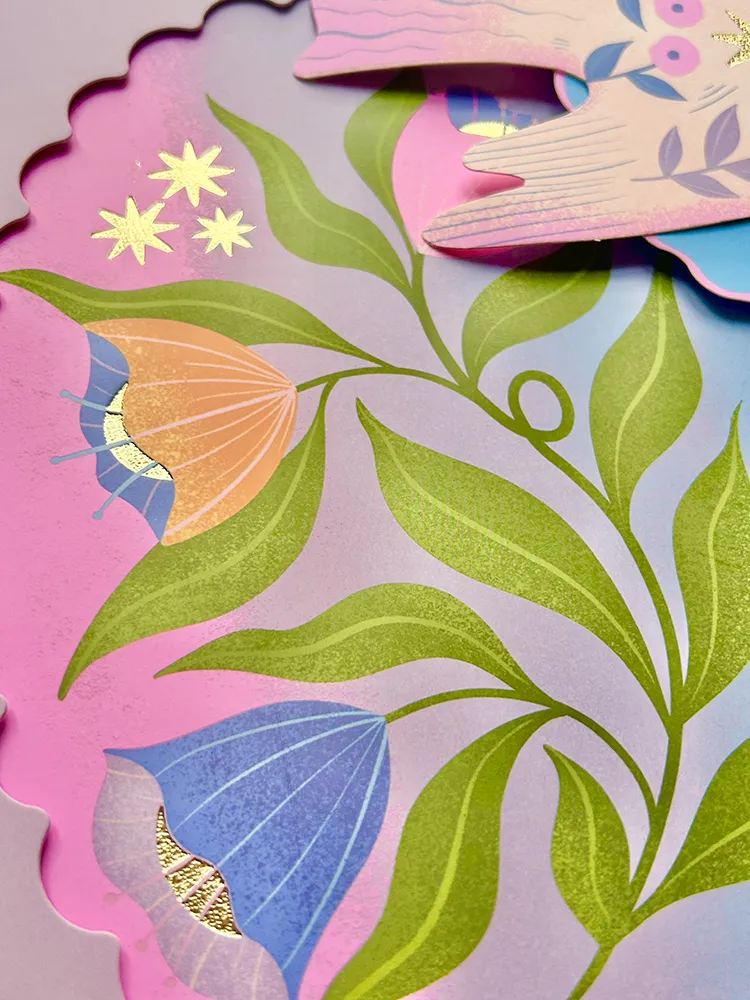
I would say my education has always informed my creative work. It has helped me think analytically about what I am creating and certainly studying fashion design gave me skills in trend analysis, colour theory and marketing to name a few. Learning surface pattern design was completely new for me and I found it to have a steep learning curve. I think having learnt so many new skills in my studies (such as sewing and pattern creation) helped me approach it in a similar way though. Especially in terms of learning the software. I began my surface pattern design career with Procreate as it was what was familiar to me at the time and I gave myself quite a tight timescale in which to learn the craft, but later I have picked up Photoshop for SPD too and am currently learning to use Adobe Illustrator. So my studies prior to this gave me skills (such as helping me to know what were the best resources to use and how to research new topics effectively) and these have all definitely aided the development of my SPD work.
You taught yourself digital illustration from scratch in 2019. Looking back at those early learning stages, what was most useful, and what do you wish you’d done differently?
I am completely self-taught in digital illustration – the illustration part of my degree was entirely analogue, so although I knew I had skills in composition and putting colours together, in terms of working in a digital medium I was clueless! I had heard a bit about Procreate and thought since it was so affordable I would download it, and I liked that working on the iPad was so portable too. After watching some YouTube videos I just dived right in and it was a process of daily practice until I found my feet. It took a good year to become competent I would say but since then I have drawn on my iPad almost every day and still rely heavily on video tuition to learn new skills, especially Skillshare. In terms of SPD I started to learn it about 3-4 years into my illustration career, and I used a similar technique with videos and blog articles. I have never taken an intensive in-depth course, simply put I don’t have the patience. I like learning in short bursts with shorter videos that match my concentration span.
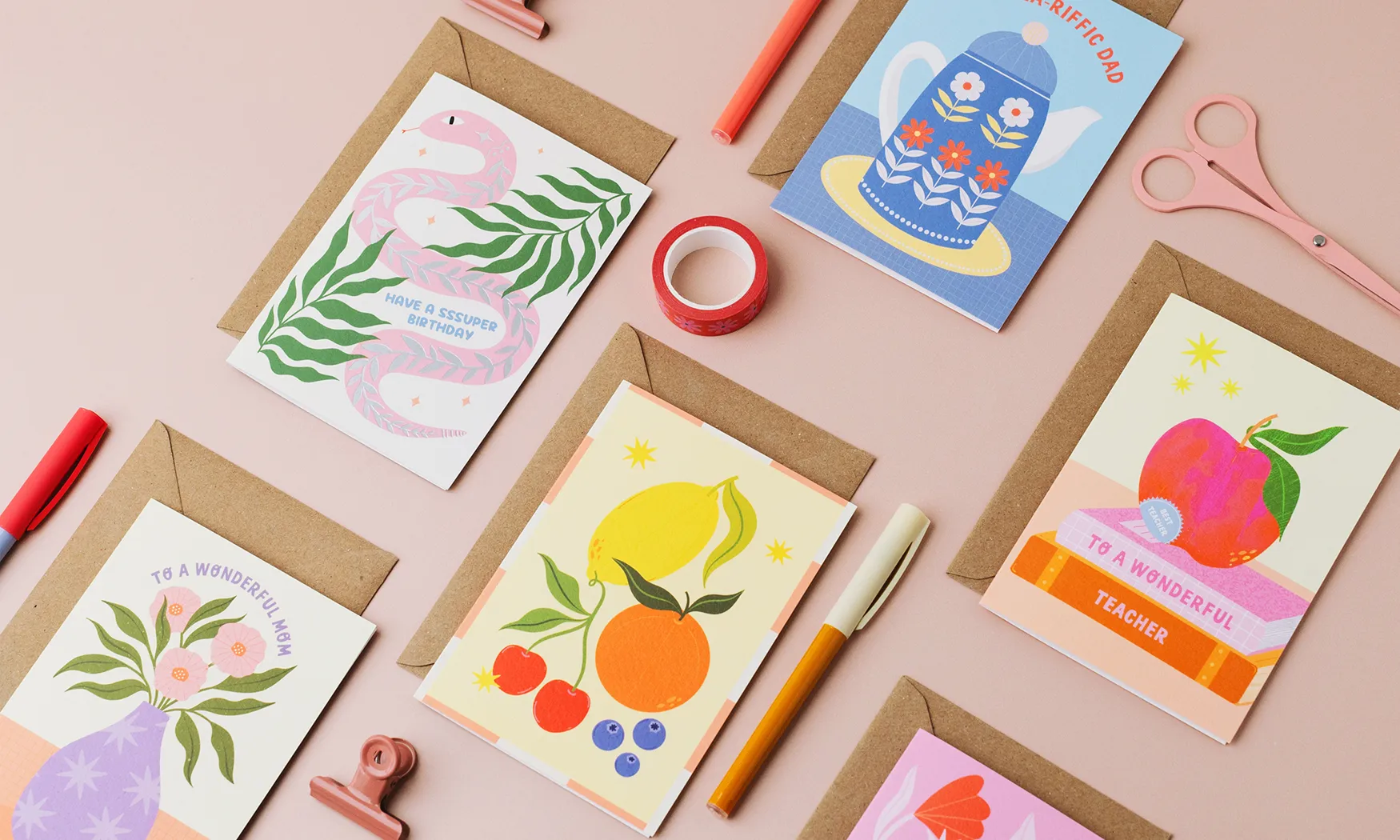
Melissa Donne Paperchase collaboration
I did sign up to Maja Faber’s Pattern Rebels membership which taught me so much about working in Procreate for pattern design and I found having a community of other designers learning the same thing was really helpful. So a combination of written articles and visual media have really worked well for me. However I think if I was starting again I would have started learning SPD sooner, especially if I had known how much of a passion it would become. I knew very little about it and was intimidated by the notion that you had to create patterns with Illustrator which I was very unfamiliar with. When I discovered you could create effective and professional patterns in Procreate I began to explore the possibility of SPD further.
Your color palettes are really distinctive. How does a color palette come together for you? Is it the starting point or does it develop along the way?
I absolutely love putting colour at the centre of my creative practice. It brings me so much joy to see my work coming alive with the addition of bold colour palettes, or colours that I take risks with. I think that’s the essence of my approach to colour really – to try new things and put together palettes that perhaps shouldn’t work, yet hopefully do! I used to be a lot more haphazard in my approach and not work with palettes and just dive straight in.
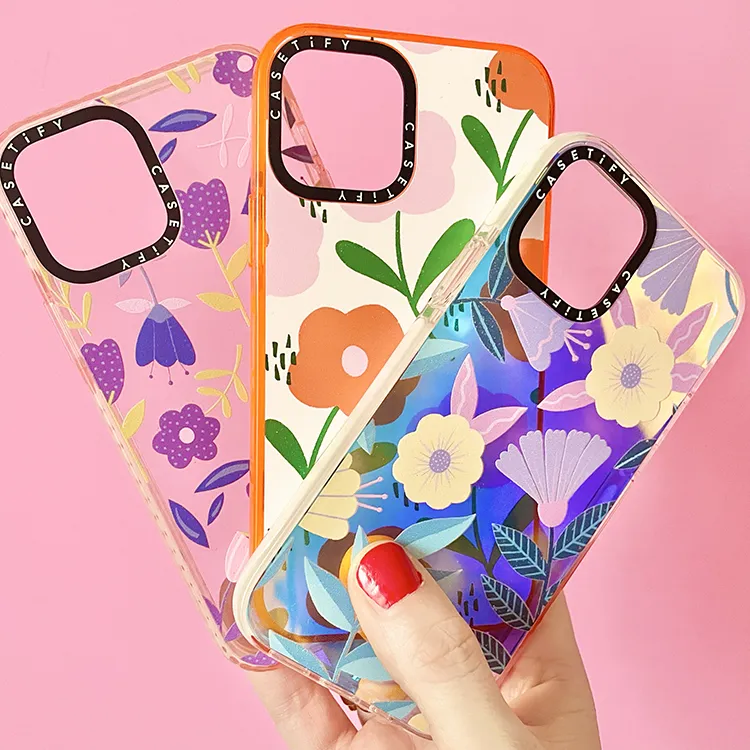
Melissa Donne Casetify collaboration
More recently, and certainly since I started to create surface pattern collections, I have been working with palettes more and more. However, I never overthink these, colour in general to me is very instinctive and natural. When I think too much about creating a palette, it never comes together. I usually just pluck out colours from the colour wheel and put them onto the canvas, have a play and then pick the ones I like the most. So it’s definitely not a long and over-complicated process for me.
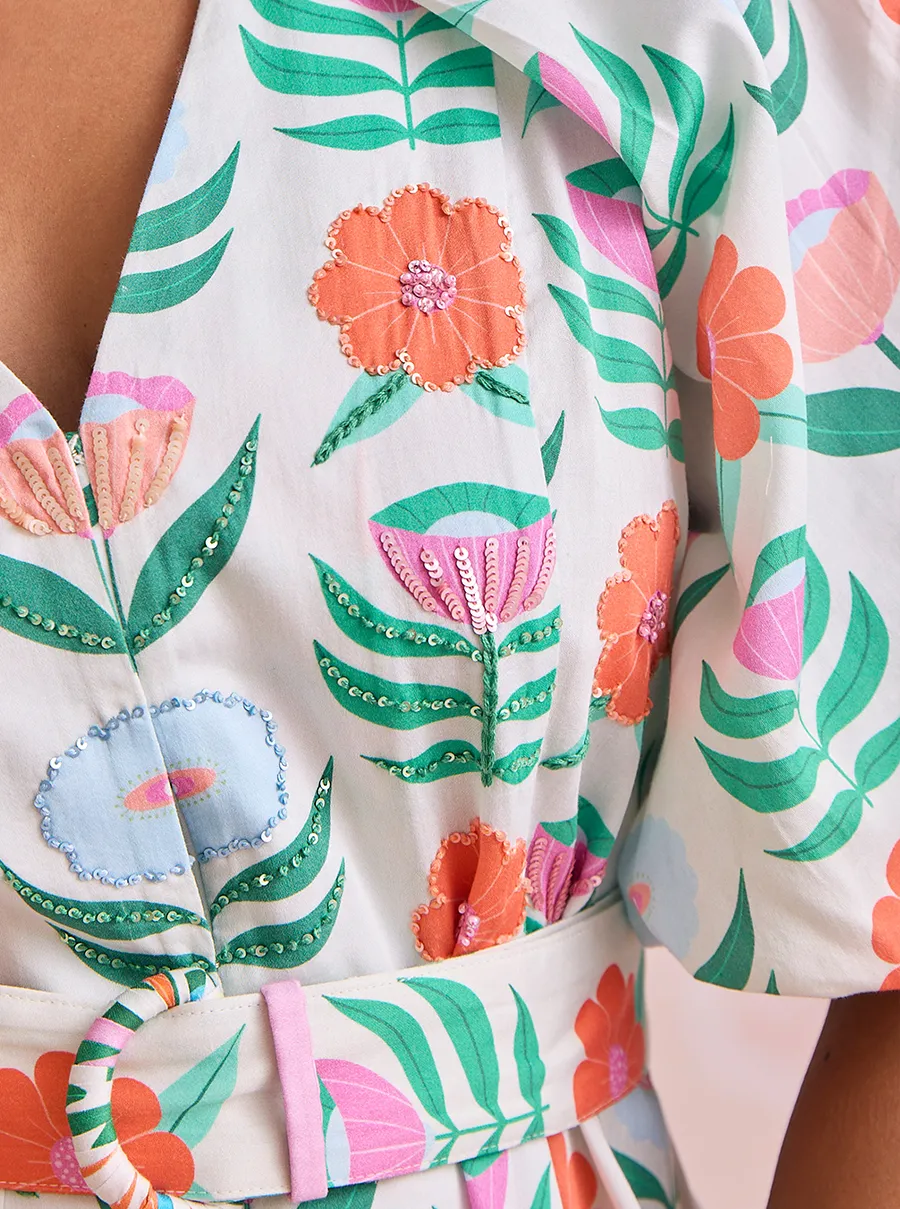
Your shapes feel organic and loose, almost like they grew on the page. Is that something that comes naturally when you’re drawing, or do you work at getting that feeling right?
I do pay attention to composition and spend a lot of time looking at how my drawings look on the canvas. I am definitely aware of my need to create plenty of movement and I often add flowing leaves and various flourishes to help achieve this. Although I think my work is very clean and precise, I still think I achieve quite a lot of fluidity in my work. It’s important to me to have this clean look but that my florals or other subjects aren’t ‘stiff’ – I like them to have a look that is organic and that the eye wants to follow around the canvas, and hopefully I have achieved this with my approach.
You’ve talked about sourcing vintage botanical encyclopedias for inspiration. How do you go from a detailed, realistic botanical image to your style?
I have a few sources of inspiration that are my go-tos. Vintage illustration is definitely one of them and I have an amazing sourcebook of vintage botanical patterns that I love to flick through. So sometimes these inform my work in terms of looking at shapes and how they move across the canvas, but for my own work I always like to add some kind of abstract detail – so that the real thing is mimicked but not replicated. This makes my work more unique and I’ve found this approach works really well for me and means that I can stay original.
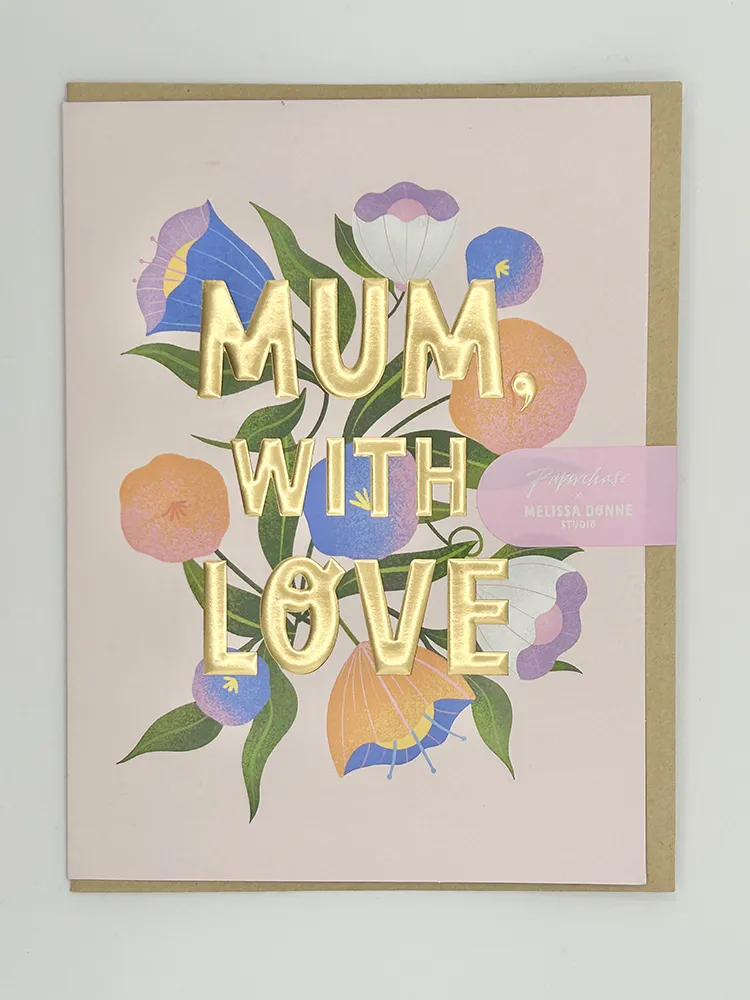
Card designs for Paperchase
Your worked on Godiva’s Easter packaging in 2025. What was that collaboration like? The brief, the creative freedom, the timeline?
The Godiva brief was such a dream project. It’s a brand with so much history and clear visual direction, so when they approached me to work on the Easter packaging I was over-the-moon. They wanted to go in a different, less traditional direction for their campaign and felt my illustrations really matched the look they had envisioned. The wanted something modern but also to reflect the Godiva aesthetic. I was provided with colour palettes but beyond that I had a lot of creative freedom.
The timeline was quite tight and we had a few calls (6am for me as they are based in Australia!) But I love this way of working, since I find client contact really helps my creative process and ensures that I’m progressing along the lines of what the client wants. The final pattern with illustrations that were extracted to be used throughout their stores as giant decals and dotted about the packaging, felt like such an achievement in my career and was high-profile which is always something to be proud of. The packaging was a big success for them and they’ve gone on to use it for Easter 2026 too, with another pattern I created for them.
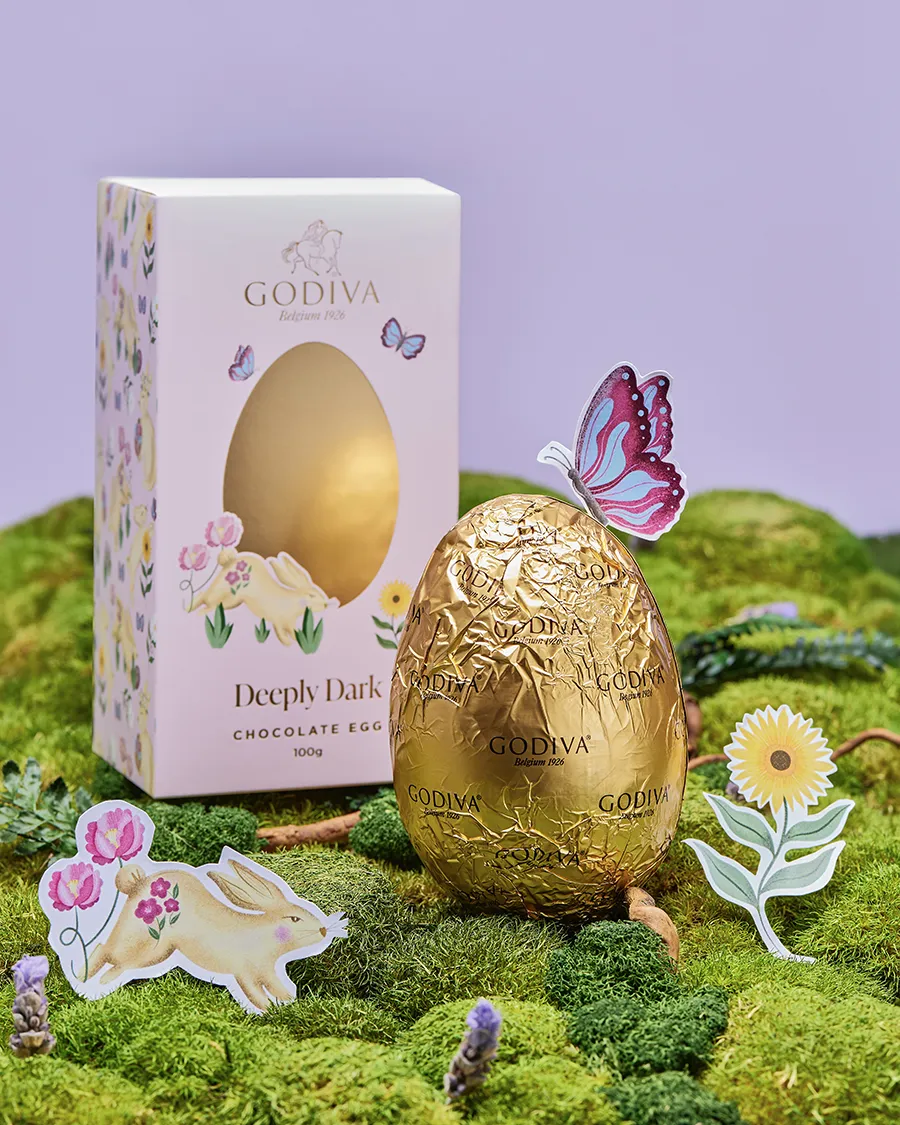
Melissa Donne Godiva Easter packaging, 2025
The range of products you’ve worked on is pretty wild, phone cases for Casetify, needlepoint kits for Unwind Studio, a cookbook cover for Quadrille, wallpaper for Otto Studio. Do you actively chase that variety, or has it come to you?
I’ve been really lucky that so much work has come directly to me rather than me pitching to so many different companies that I would perhaps not have thought would be a good fit for my work (but luckily it turned out to be!) so I think it’s been great to see that clients have trusted me to put my artwork on their products and have had a vision that involved my style of work. For example, I would never have thought about my work on nail art so wouldn’t have had the idea to contact any companies like this, so when they came to me and described what they wanted I had a bit of a ‘Eureka’ moment thinking “Yes, I can actually really see that working!”
When I look at the range of products my art is on it’s really rewarding and shows that my style is versatile which is something I’ve always really wanted to achieve.
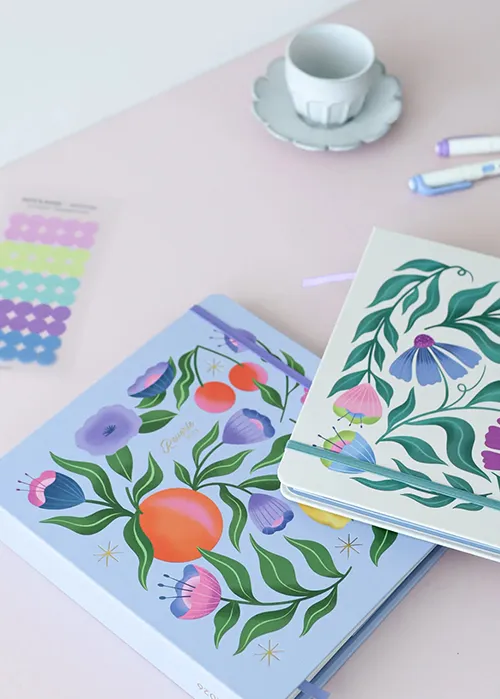
Papericot x Melissa Donne
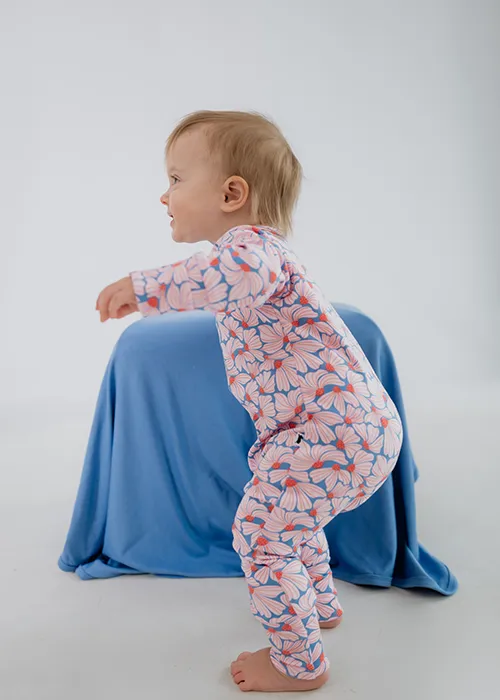
Little and Lively
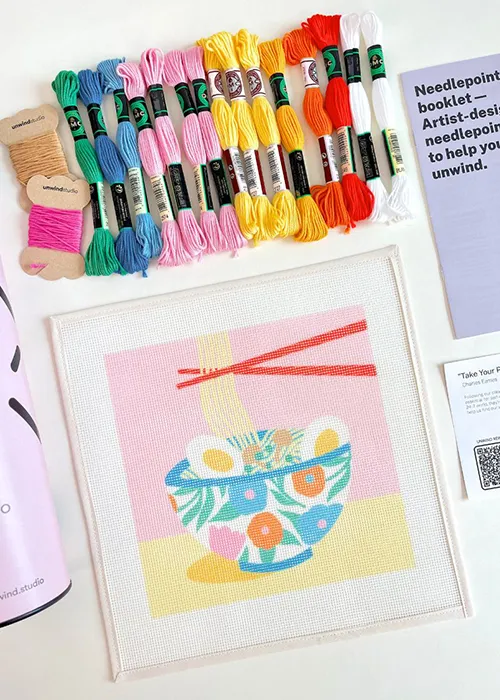
Melissa Donne x Unwind Studio
For designers who want to start licensing their work but don’t know where to begin. How did you land your first licensing deal, and what did you learn from it?
I think sometimes there is no exact way to prepare for licensing artwork, as it can come out of the blue, but there are things that you can do to better prepare you or put you in a position where you’re more likely to attract licensing deals. For me, this was actively selling artwork on Etsy and taking part in online markets where my profile on social media grew. Through Etsy I was also more visible than if I had just been selling through my website at the time. I was spotted by the US planner company Passion Planner this way, and received my first licensing deal with them, creating a few pages of stickers for their journals.
One thing I learned from this was the need to have a better grasp of pricing and negotiation, when I received the email I was so happy but almost immediately panic set in when I realised I would have to quote, since I had never done it before. I wish I’d had a better system from the beginning, and a specific set of rates that I could refer to. As time has passed I’ve become much better at the art of negotiation but I know it can be very intimidating when you are starting out.
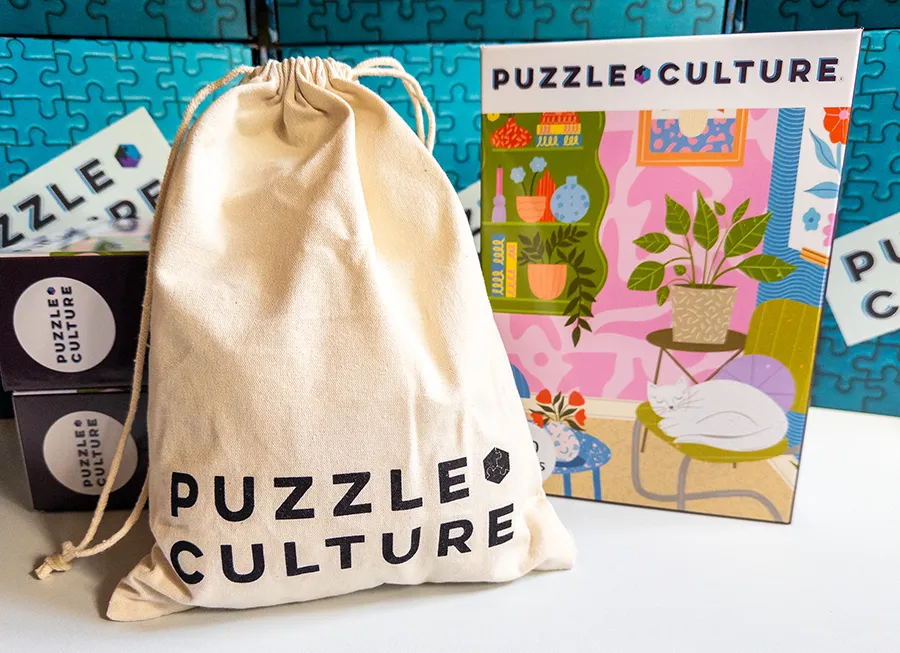
Melissa Donne x Puzzle Culture
When a brand reaches out about a collaboration, what makes you say yes, and have you learned to say no to opportunities that aren’t the right fit for you?
I have turned down opportunities, when I feel the terms aren’t quite right or perhaps I don’t share the same vision, or maybe I can’t see my work on their products. Mostly however I’ve been really lucky that I have been contacted by amazing brands that I’d love to work with. Including some real pinch-me moments when they’ve got in touch, such as Paperchase and Barnardo’s who wanted a full-scale collaboration with me and my name associated with all the products and on the packaging. These have been a definite yes, and I honestly feel so proud to have worked with these clients. Any project with creative freedom will also make me say yes, or projects which ‘make sense’ in terms of the combination of my artistic style and their product ranges.
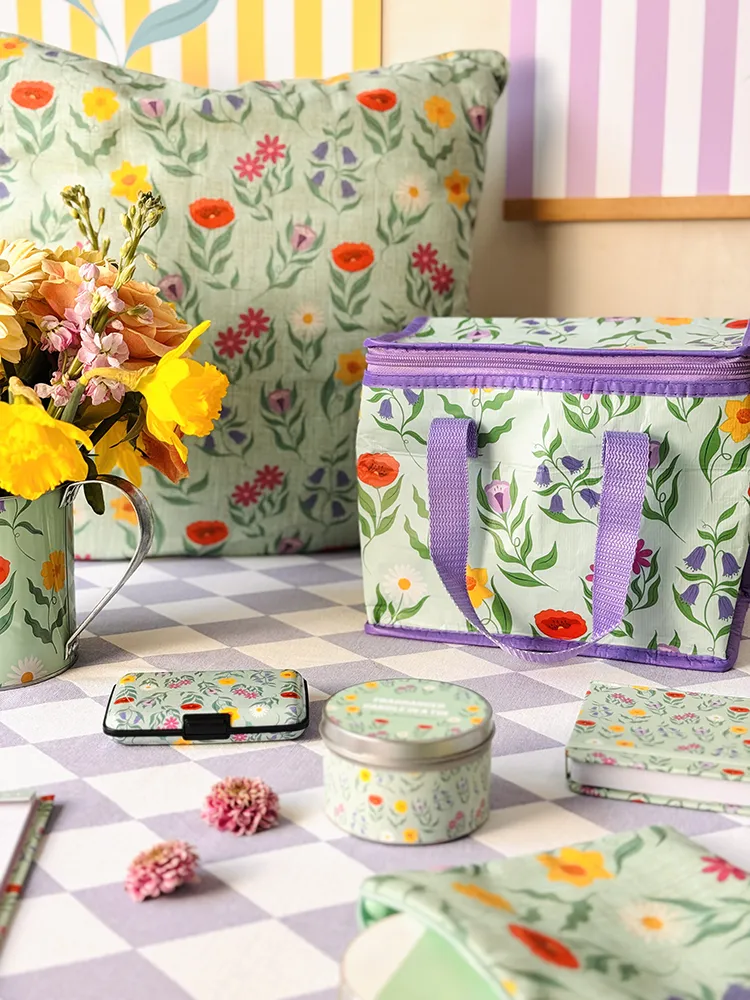
Barnardo Collaboration
What’s next for you? Any product categories or creative directions you’re looking to explore?
I would absolutely love to have a fabric collection – it’s a big gap in my portfolio! Especially with my background in fashion, I would just love to see clothing made with my designs. I will be actively pitching to fabric companies soon once I’ve worked on more collections. I would also like to work with more apparel companies, especially kids wear as I think my work would complement these kind of products well. Still waiting, but never say never!
I’ve also been dipping my toes back into physical products. I haven’t yet decided if I will pursue this wholeheartedly but for now I’m enjoying making some and doing some craft markets locally in the UK. I’ve just bought a laser cutting machine with my sister and we’ve been making acrylic jewellery and accessories so that’s really exciting too. I like to keep myself busy and try out lots of different things. No two days are ever the same, and I wouldn’t have it any other way.
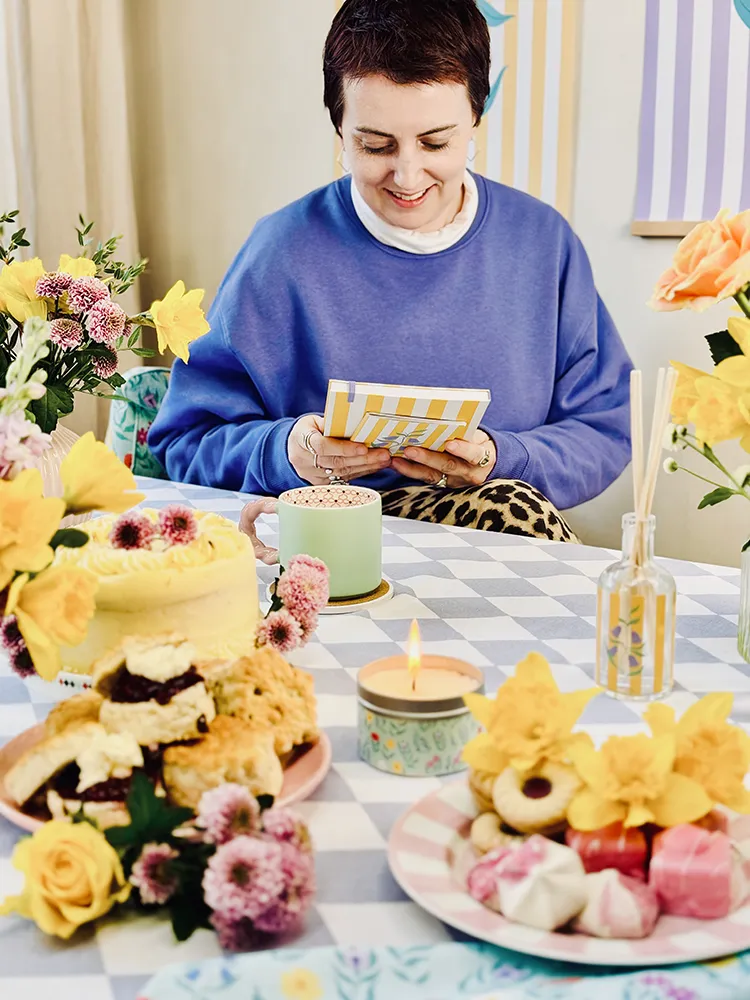
Melissa Donne x Barnardos
Find more by Melissa Donne on her portfolio mdonnestudio.com, on Instagram instagram.com/melissadonnestudio